Provincetown from Boston: The Fast Ferry, the First Landing, and the Boat Home at Sunset
Ninety minutes across the bay by fast ferry — seasonal, real money, and better than the drive by every measure — to the tip of Cape Cod, where the Mayflower actually landed first and the town has been proudly itself ever since.
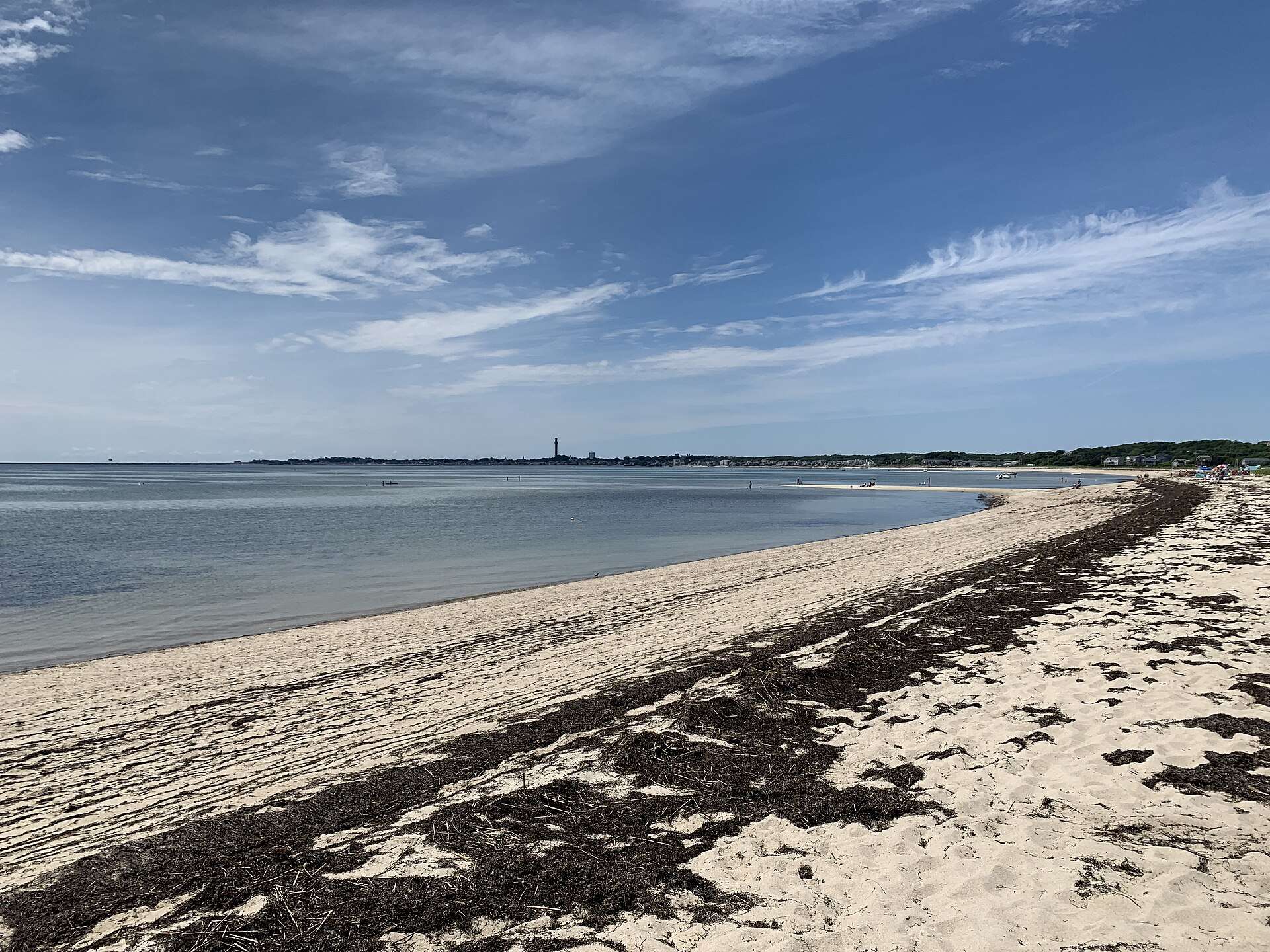
The short version
- Seasonal fast ferries run Boston’s piers to Provincetown’s MacMillan Pier in about 90 minutes, roughly May through October, at $70–120 round trip by operator and date — booked ahead per the alarm through baystatecruisecompany.com and its Long Wharf competitor; the drive around the Cape runs three hours on a good day and worse on a Saturday.
- The history claim is the alarm’s straightened story: the Mayflower made its first landfall in Provincetown Harbor in November 1620 — five weeks before Plymouth — and the Mayflower Compact was signed in these waters; the town has never let Plymouth forget it.
- The Pilgrim Monument — the 77-meter granite campanile over town — climbs by ramps and stairs for a modest ticket with the museum attached: the whole Cape curled below, the harbor, and on clear days Boston across the bay.
- Commercial Street runs the town’s three miles of galleries, drag matinées, portrait sketchers, saltwater-taffy institutions, and people-watching at national-champion level — America’s oldest continuous art colony by its long claim, and its LGBTQ+ capital by cheerful acclamation.
- Race Point and the Province Lands — the National Seashore’s dune country at the Cape’s very tip — run by shuttle, bike trail, or dune-taxi tours from town: Atlantic surf, parabolic dunes, and the lighthouse, with details at nps.gov/caco.
- Whale watches sail from MacMillan Pier to Stellwagen Bank’s feeding grounds — among the Atlantic’s most reliable humpback theaters — as the half-day add that reorganizes the schedule for the committed.

Getting there
The ferry per the alarm is the trip’s foundation: morning departures land P-town by mid-morning, the evening boats leave enough town-time for dinner, and summer weekends sell both directions out — the book-ahead clause is not decorative. Seasickness-prone travelers note the bay’s moods and sit low; the bar aboard has its partisans in both directions. Outside the ferry season the honest verdict inverts to the long drive or the overnight — the day-trip frame is the boats’. Bikes ride the ferry for a fee and unlock the Province Lands trails properly.
The day
Monument first while the legs are fresh: the ramp-and-stair climb, the museum’s landing-and-Compact story told straight per the alarm, and the full Cape curling below as orientation. Then Commercial Street’s long unspooling — galleries toward the East End, the Portuguese bakery’s malasadas as the town’s breakfast tithe, lunch at a clam bar or lobster-roll counter with harbor seating. The afternoon chooses: the shuttle or bike to Race Point for the Atlantic side’s surf and dunes, a dune-taxi tour through the Province Lands’ shack country, or the whale watch’s four-hour commitment for Stellwagen’s humpbacks. Back in town, the tea-dance hour at the boatslip runs as the institution it is — all welcome, sunset included — before the pier and the alarm’s promised ride home, the monument silhouetting behind the wake.
When to go
The ferry season is the calendar: May–June and September–October run the town at conversational density with the water cold and the light long; July–August is the full carnival — booked boats, packed street, and the town at maximum voltage, taken knowingly. Themed weeks (Carnival in August, Women’s Week in October among them) transform the register and the room rates alike. Whale season spans the ferries’ own; the dunes and the light belong to every month the boats run.
Frequently Asked Questions
Why did the Pilgrims leave for Plymouth?
Fresh water and farmland — the outer Cape’s sand offered neither at settlement scale, so after five weeks of exploration (and the Compact’s signing aboard ship) they crossed the bay. Provincetown keeps the first-landing title and the monument; Plymouth kept the rock and the press.
Is the day trip enough for Provincetown?
It’s a real visit — monument, street, dunes, and the boat’s built-in scenery — and it’s also the town’s trailer: the evening culture, the shows, and the dawn beaches belong to overnights. The ferry schedule makes the day version genuinely good, per the alarm; the town makes the overnight argument itself.
Which beach should I choose?
Race Point for Atlantic surf and the classic dune walk; Herring Cove for calmer bay water and the sunset-facing sand. Both sit inside the National Seashore with shuttle service in season. The harbor beaches in town serve the wading-with-ice-cream demographic.
Is the whale watch worth half the day?
Stellwagen Bank runs among the Atlantic’s most dependable humpback grounds — breaches and feeding at close range are routine in season, and the naturalist-staffed boats take the science seriously. It costs the dunes their hours; travelers choose by whether whales outrank sand, which they usually do exactly once.
Provincetown or Salem from Boston?
Salem (documented on this network) for history-and-witch-trials at commuter-rail ease year-round; P-town for the sea crossing, the dunes, and the street — inside the ferry months. October flips the answer to Salem’s circus; July flips it back to the boats.