Boston Day Tours
I’m Serious Day Tour Man AI, your day trip expert. Ask me anything — where to go, how to get there, and what’s actually worth your day.
Boston’s day trips read like the republic’s syllabus: the road where the Revolution’s first shots fired is thirty minutes out, the pond where American environmentalism was invented sits just beyond it, and the 1620 landing story — told properly now, Wampanoag history alongside the English — runs forty-five minutes south. Salem runs on two channels at once, sorted below.
Add a fishing coast that painters colonized a century ago and a fast ferry that turns Cape Cod’s far tip into a genuine day trip, and the radius lives up to its reputation. The city block covers the Freedom Trail done right and the cannoli war’s rules of engagement.
Here’s what’s worth a day, with real times and honest trade-offs.

Popular Day Trips
Salem
The 30-Minute Train, the Two Salems
Plymouth
The Rock Managed Honestly, the Mayflower II
Newport
The Mansion Math, the Free Cliff Walk
Provincetown
The Fast Ferry, the First Landing
Concord & Lexington
The Bridge, the Authors’ Ridge
Lexington & Concord — The First Morning
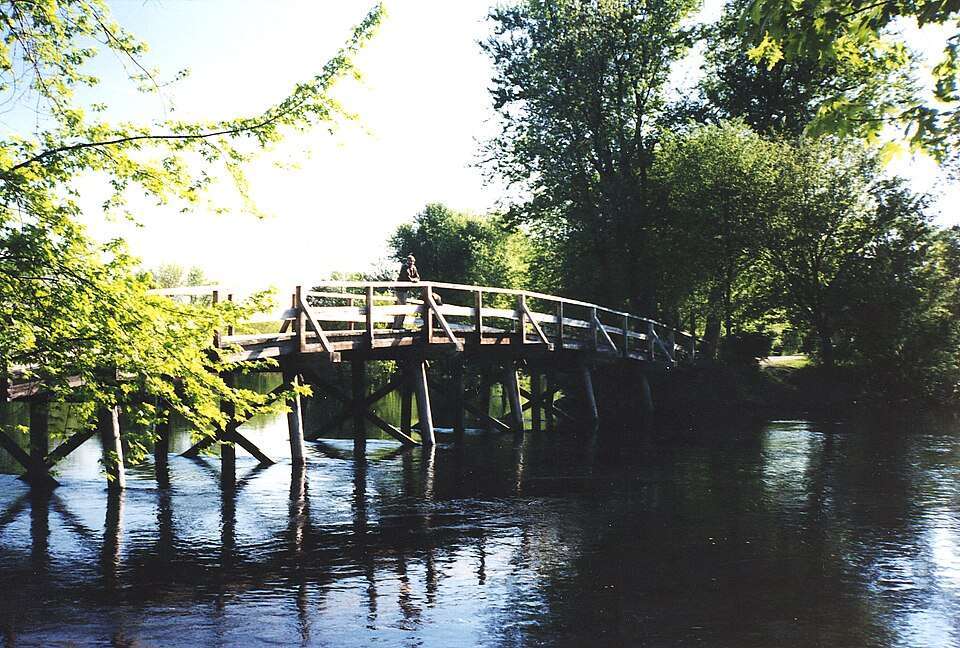
Thirty minutes northwest, Minute Man National Historical Park preserves the road of April 19, 1775: Lexington Green, where the first volley fell at dawn; the North Bridge in Concord, where “the shot heard round the world” answered; and the Battle Road Trail between them — five walkable, bikeable miles past the Hartwell Tavern and the witness houses, with the park’s Minute Man visitor center film as the correct primer. The mechanics are easy: the park is free, ranger talks run seasonally, and Patriots’ Day (the April reenactments, pre-dawn on the Green) is the full-immersion form, planned months ahead.
Concord’s second life doubles the day: Walden Pond, where Thoreau’s cabin site and replica sit by water you can swim (the state reservation caps parking on summer days — arrive early or reserve where offered), and the literary town itself — Louisa May Alcott’s Orchard House (tour the actual Little Women rooms; book ahead), Emerson’s house, and Sleepy Hollow Cemetery’s Authors Ridge, where Thoreau, Emerson, Hawthorne, and Alcott lie within a few steps of each other, pencils left on Thoreau’s stone by tradition.
The frame: revolution in the morning, transcendentalism after lunch — a full day of American origins in two acts, best by car, workable by commuter rail plus the seasonal Liberty Ride trolley.
Read the full Concord & Lexington day-trip page.
Salem — Two Registers, Sorted
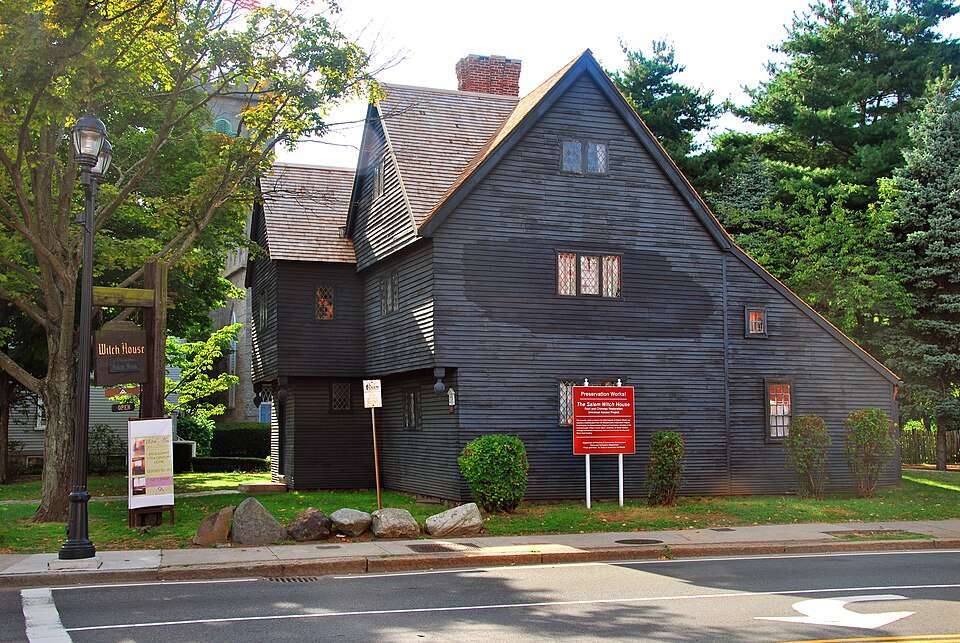
Thirty minutes north (or the summer fast ferry from Long Wharf, which is the better arrival), Salem runs history and Halloween on the same streets, and the good visit knows which it came for.
The history register, stated with the respect it demands: in 1692–93, twenty-five innocent people died — nineteen hanged, one pressed to death, five in jail — in a panic the town has spent three centuries reckoning with. The Salem Witch Trials Memorial’s stone benches, each carved with a victim’s name and last recorded words, and the adjacent old burying ground call for unhurried quiet; the Witch House (Judge Corwin’s actual home, the era’s one surviving structure) and the better museums tell the history straight. Proctor’s Ledge, the actual execution site, is a neighborhood memorial visited respectfully or not at all.
The other register: the kitsch economy — costumed tours, haunted attractions, psychic storefronts — runs cheerful and knows what it is; take it or skip it deliberately. Beyond both: the Peabody Essex Museum is a first-rate art museum (the relocated Qing-dynasty Yin Yu Tang house is the sleeper masterpiece), the House of the Seven Gables holds up as a Hawthorne pilgrimage, and the maritime historic site remembers when Salem’s ships owned the Pacific trade. October triples the town’s population and quadruples its parking; the fast ferry and shoulder months do what the car cannot.
Read the full Salem day-trip page.
Plymouth — The Landing, Told Properly
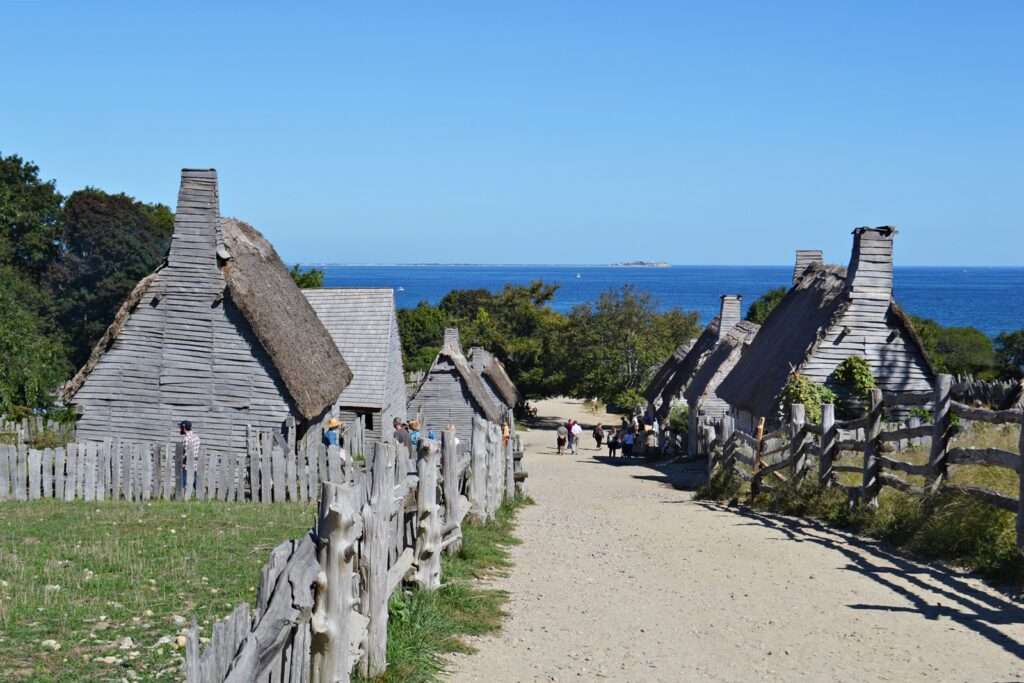
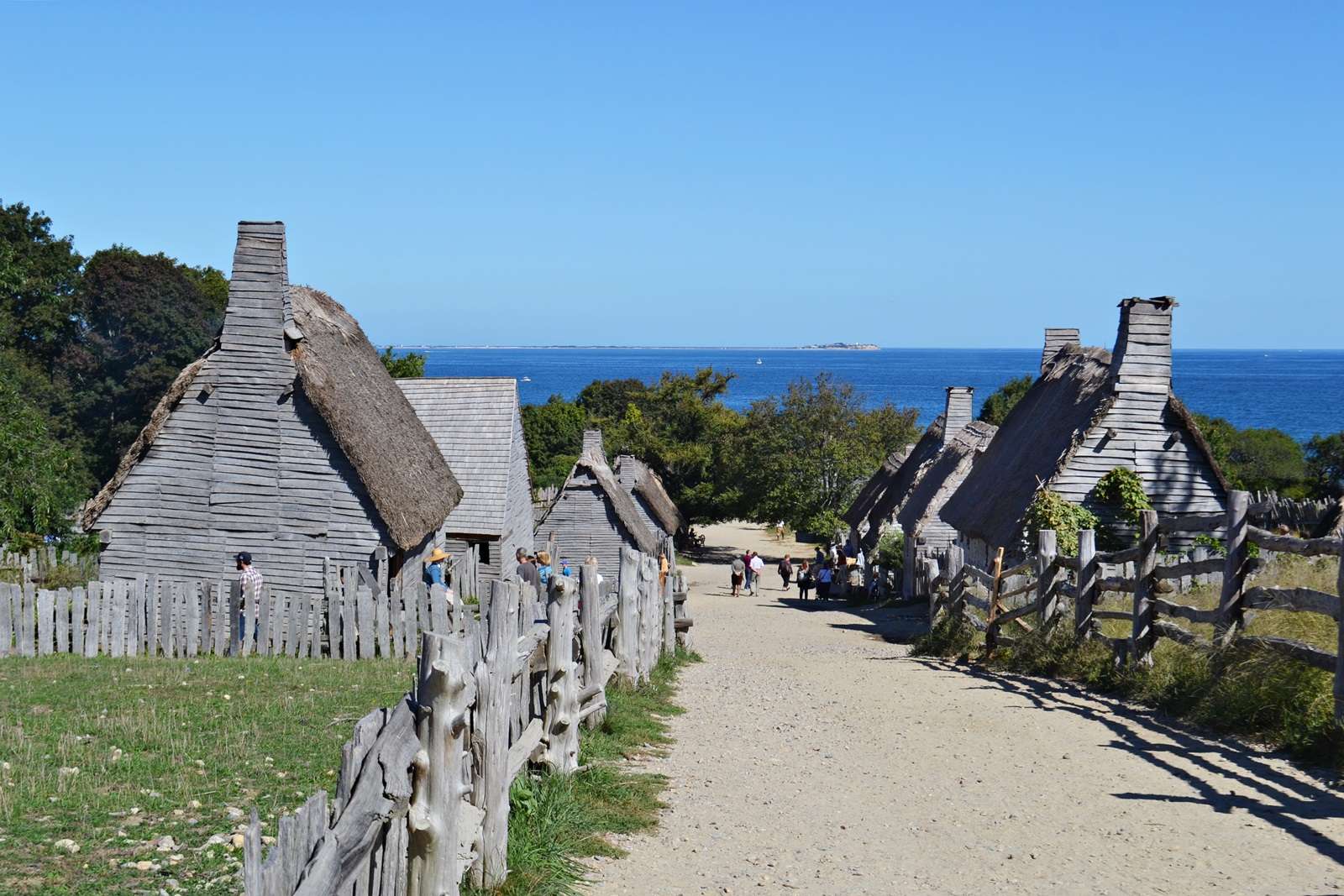
Forty-five minutes south, Plymouth’s story is now told the way it should be: Plimoth Patuxet Museums (the renamed living-history campus) pairs the 17th-Century English Village with the Historic Patuxet Homesite, where Indigenous staff — speaking as themselves, not in character — present Wampanoag history and lifeways on the land that was Patuxet long before it was Plymouth. The etiquette matters and is posted: the Homesite’s educators are contemporary Native people, addressed accordingly. The village’s costumed interpreters, by contrast, remain fully in 1627 and will discuss your strange clothing with period concern.
The season runs spring through the Sunday after Thanksgiving, combination tickets bundle the campus with Mayflower II — the full-scale reproduction ship, normally berthed downtown at the state pier — and the Plimoth Grist Mill; note the ship occasionally travels for maritime events (it sailed to Boston for 2026’s Sail Boston festival), so check its berth status when booking. Allow 2–3 hours for the campus, 30 minutes aboard the ship.
Plymouth Rock itself, expectation-managed: it’s a modest boulder under a grand portico, the attribution is 121 years after the fact, and the 30 seconds it takes are free. The waterfront, Burial Hill’s early graves, and the National Monument to the Forefathers (colossal, oddly little-visited) round the town. Full day with the museums done right.
Read the full Plymouth day-trip page.
Cape Ann — Gloucester & Rockport
Forty-five minutes northeast, Cape Ann is the working coast: Gloucester, America’s oldest seaport, still fishes — the Man at the Wheel memorial faces a harbor that has buried ten thousand of its own, and the Fishermen’s Wives memorial beside it completes the ledger. The town wears it without performance: the working waterfront, the Cape Ann Museum’s Fitz Henry Lane luminist rooms, and whale-watch boats that work Stellwagen Bank — among the Atlantic’s best whale water, humpbacks the summer regulars.
Rockport, ten minutes on, is the painted twin: Bearskin Neck’s shack-galleries ending in the harbor, and Motif No. 1 — the red fishing shack called the most-painted building in America, rebuilt identically after the ’78 blizzard because the town simply couldn’t not. The art colony is a century old and still working; the galleries sell what the light teaches.
Add Halibut Point State Park’s quarry-and-ledge shore walk, Essex’s fried-clam institutions on the way home (Woodman’s claims the 1916 invention; the argument is the sauce), and Manchester-by-the-Sea’s Singing Beach for the squeaking-sand novelty. Sea-and-art gentle, commuter-rail reachable, and the better choice over the Cape for anyone short on hours — the water is closer and the traffic isn’t there.
Provincetown by Fast Ferry — The Cape, Solved
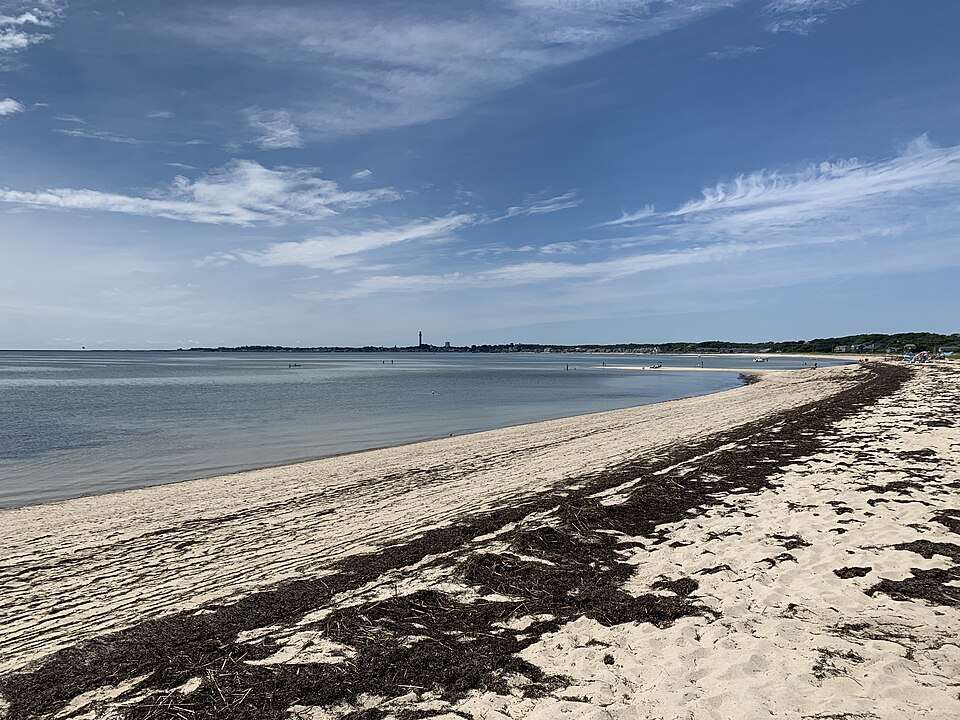
Cape Cod’s real problem is the drive: bridge traffic can turn ninety miles into four hours in July. The solution sails from Long Wharf: the seasonal fast ferries cross Massachusetts Bay to Provincetown in about ninety minutes, landing you at the wharf of the Cape’s most vivid town with zero traffic and a whale-watch fleet next door. Book ahead in summer; the boats sell out and the schedule sets your day’s brackets.
The P-town day: Commercial Street’s galleries, drag-and-fudge economy, and people-watching at national-champion level; the Pilgrim Monument’s 252-foot climb (the Pilgrims landed here first — five weeks before Plymouth — and the town enjoys mentioning it); MacMillan Wharf’s whale watches into Stellwagen; and the bike rental to Race Point through the Province Lands dunes — the National Seashore’s outer beach, where the Atlantic is genuinely open and the light explains the art colony. Lobster roll at the pier or portuguese kale soup in honor of the fishing families; both are correct.
This is the transport-clever day — ocean crossing, car-free town, big-sky beach, boat home at golden hour. Drivers wanting the fuller Cape (Chatham, the Seashore’s eastern beaches) should take the shoulder months or an overnight; the summer bridge does not negotiate.
Read the full Provincetown day-trip page.
The Freedom Trail, the Cannoli War & Boston Itself

The Freedom Trail, done right: the red line runs 2.5 miles through sixteen sites, it’s free to walk, and the two paid interiors most worth it are the Old State House and the Old North Church (the steeple of the two lanterns); Faneuil Hall’s ranger talks and the Granary’s headstones (Revere, Hancock, the Adamses) cost nothing. Charlestown’s end — the Constitution, the world’s oldest commissioned warship still afloat (free, ID for adults), and Bunker Hill’s 294 steps — rewards finishing. Skip the costumed-tour upsell unless the theatrics appeal; the rangers are better and free.
The North End’s cannoli war has rules: Mike’s has the line and the boxes, Modern has the locals’ vote, and ordering “one of each, filled to order” at Modern settles nothing but satisfies everyone. Regina’s for the pizza argument, a Sunday feast in season if the calendar cooperates. The rest: the MFA and the Gardner (its empty frames still hanging from the ’90 heist — the museum’s own quiet memorial), Fenway’s tours or bleacher seats by conviction, the Harbor Islands ferries as the underrated summer day, and the T’s Charlie Card as the only transit answer — parking here is a punishment, not a service. Season math: September–October is New England’s showpiece (foliage day trips west book early); April brings Patriots’ Day and the Marathon; and the harbor walk plus the Greenway have become the city’s best free afternoon, which older guidebooks never saw coming.
Full day-trip pages: Newport.
Frequently Asked Questions
How is the Plymouth story told now?
At Plimoth Patuxet Museums — English Village and Wampanoag Homesite together, with Native educators speaking as themselves (the etiquette is posted and matters). Combo tickets add Mayflower II, which occasionally travels for events; check the ship’s berth when booking. The Rock takes 30 seconds and no fee.
Is Salem worth it outside October?
More so — the memorial and the real history breathe without the crush, the Peabody Essex is first-rate year-round, and the summer fast ferry beats the drive. October is its own committed choice: triple the people, quadruple the parking problem.
Can you do Cape Cod as a day trip?
By fast ferry, yes — about ninety minutes from Long Wharf to Provincetown, booked ahead in season: galleries, the monument climb, whale watch or dune bike, boat home. By car in July, no; the bridge traffic eats the day.
What’s free on the Freedom Trail?
Most of it — the walk itself, Faneuil Hall’s talks, the burying grounds, Bunker Hill, and the USS Constitution (adults bring ID). The two interiors worth paying for are the Old State House and Old North Church; the rangers outdo the costumed tours at zero cost.
Where were the first Revolution shots fired?
Lexington Green at dawn, April 19, 1775, with the answering volley at Concord’s North Bridge — both preserved in Minute Man National Historical Park, free, with the Battle Road Trail linking them. Walden Pond and literary Concord complete the day.